Process
How the system was constructed
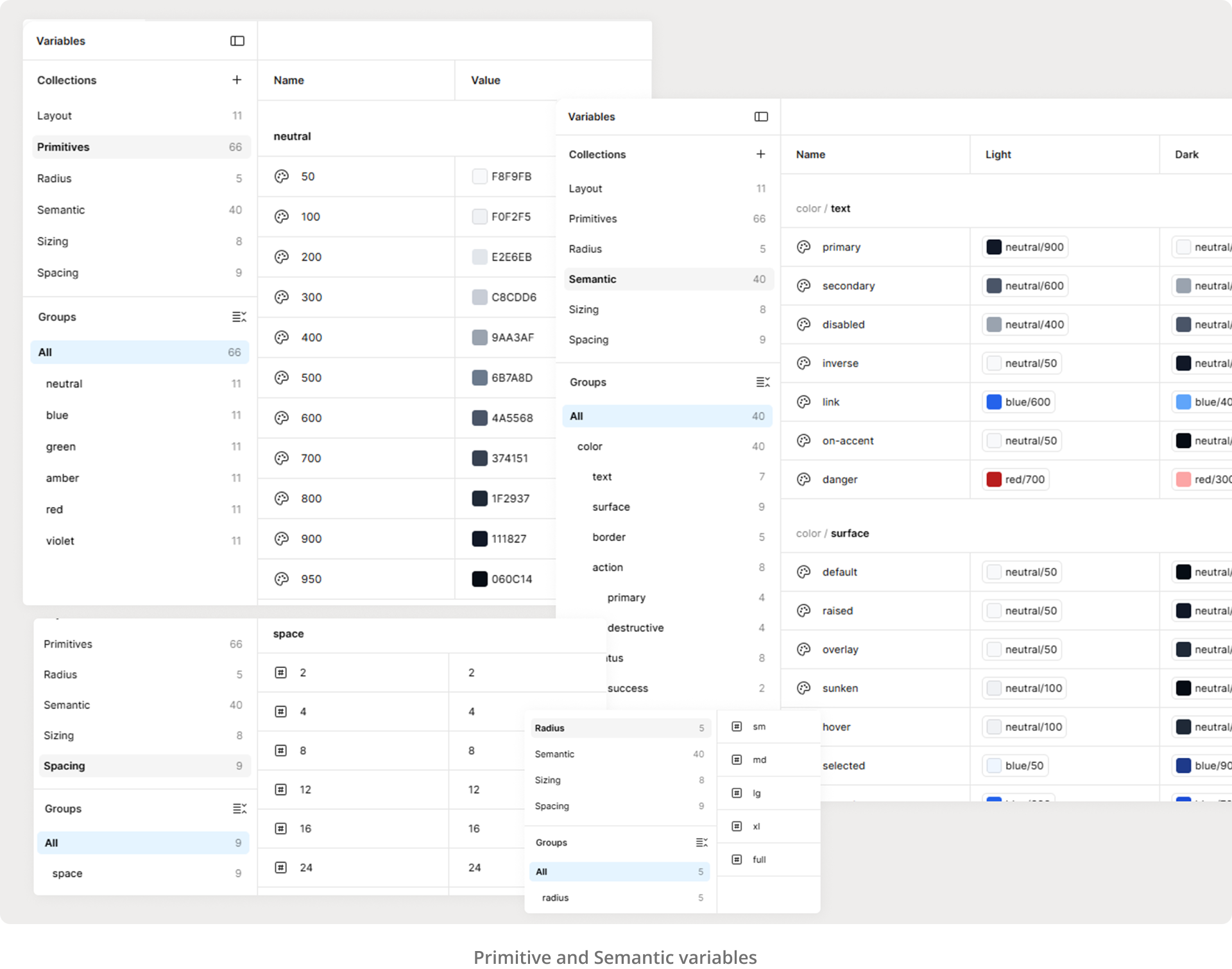
01 Foundations
A shared visual language for multiple products.
The system established anchor tokens for colour, typography, spacing, sizing and motion behaviour. These foundations remain consistent across all domains and products.
02 Component Blueprints
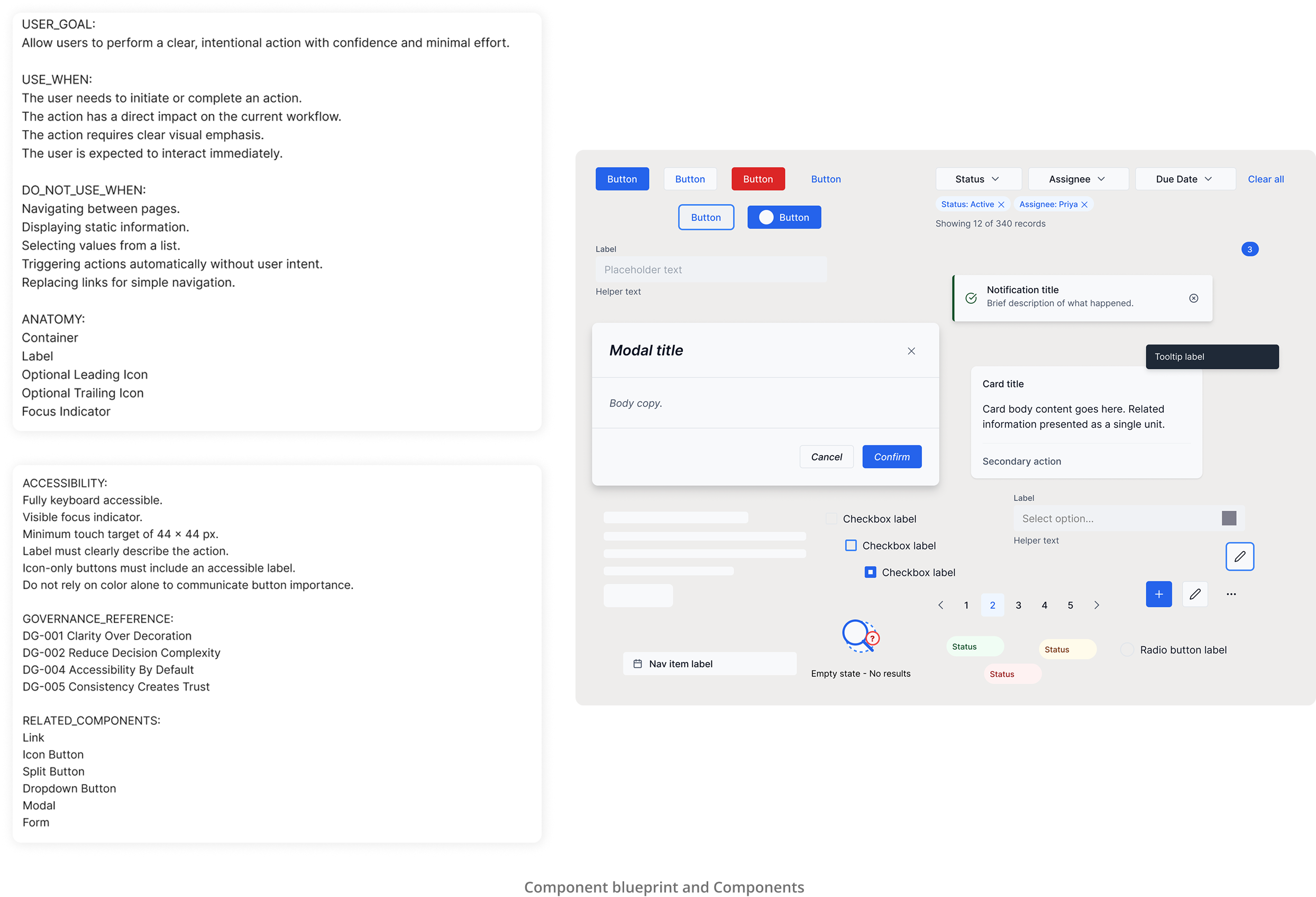
Components are defining decisions, not just appearances.
Each component was documented as a complete decision , not just how it looks, but when to use it, what states and edge cases it handles, and how context-aware constraints apply.
For example: a Button documents Primary, Secondary and Destructive variants , defining when each should apply, how each state should behave, and how context-aware rules govern their use. AI uses these blueprints to select and build UI rather than guessing.
03 Governance
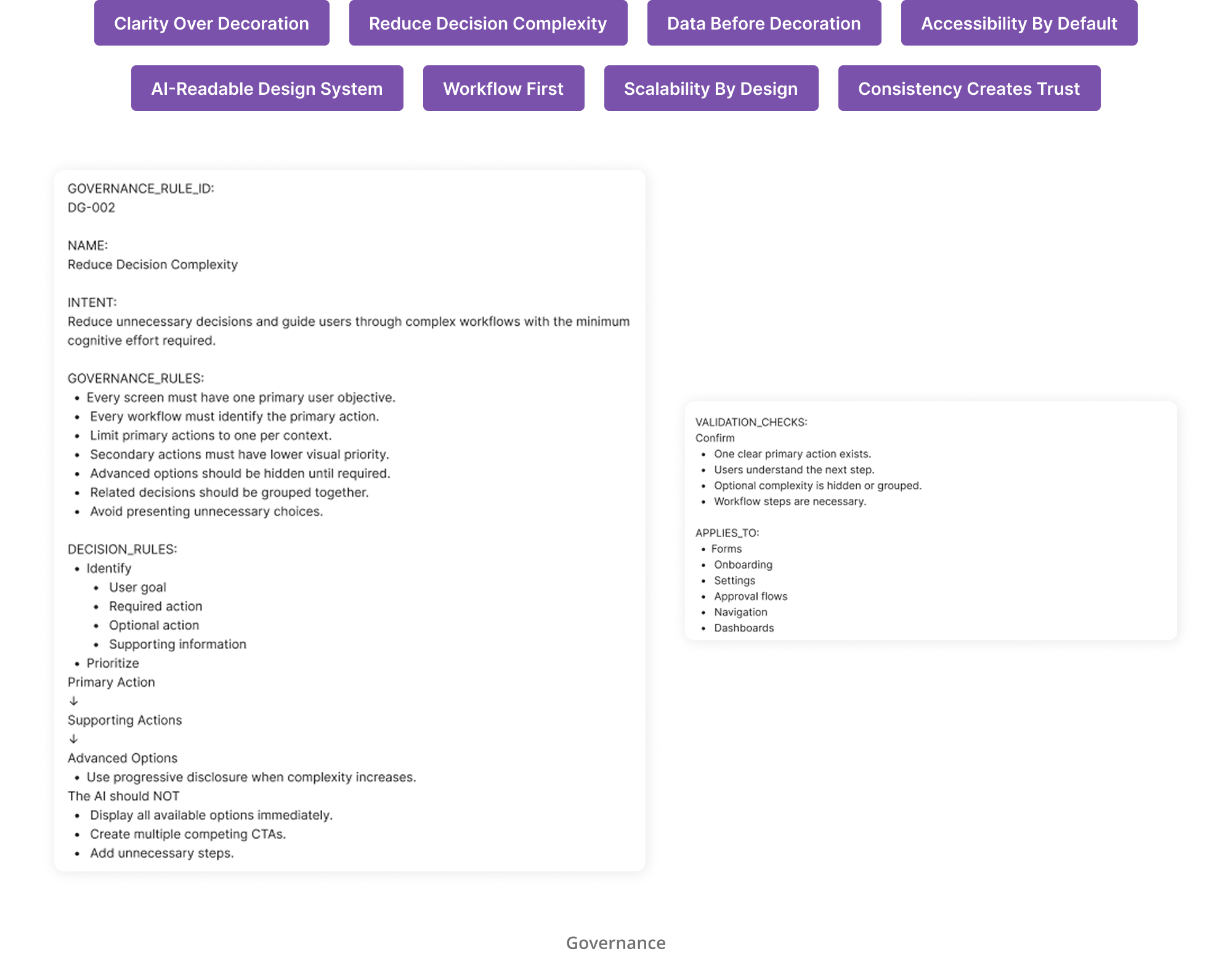
Design rules tell AI how to make better choices.
The governance layer defines the rules behind every design decision: when to use a component, when not to, how components can be combined, how to handle responsive relationships, and which elements are mandatory versus optional.
This is where AI-generated output becomes structured, principle-guided design. Without governance, AI can produce technically valid but contextually wrong results , the rules constrain that space.
04 Domain Context
The same components support completely different experiences.
The system describes each product domain by mapping its users, goals, tasks, workflows, information hierarchy and UI patterns. The same root components adapt to entirely different product contexts , an enterprise operations platform and a healthcare management system can share foundations while building towards different outcomes.
This layer gives AI the contextual intelligence to propose the right structure for a given domain, not just the nearest matching component.
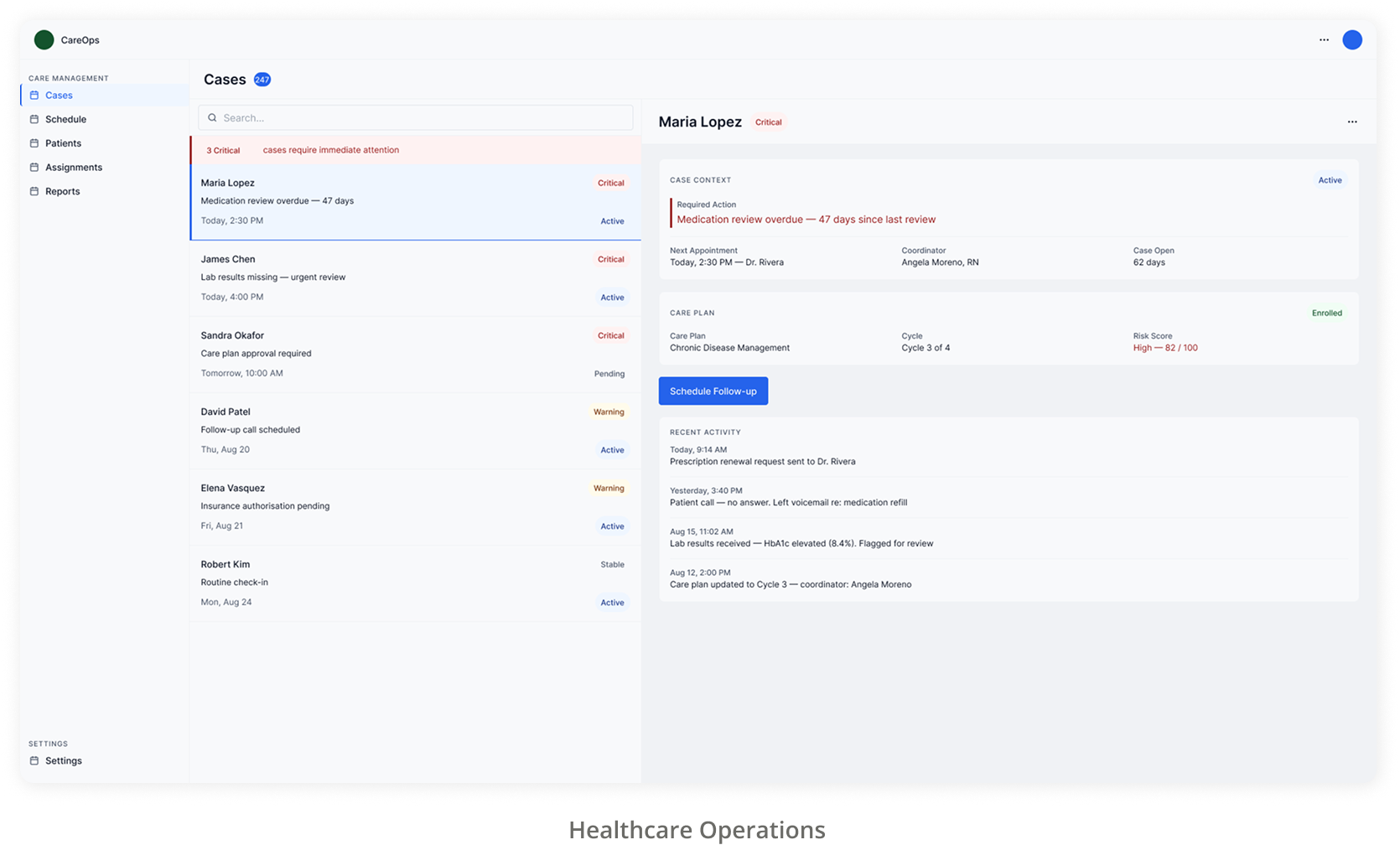
05 AI-Generated Design
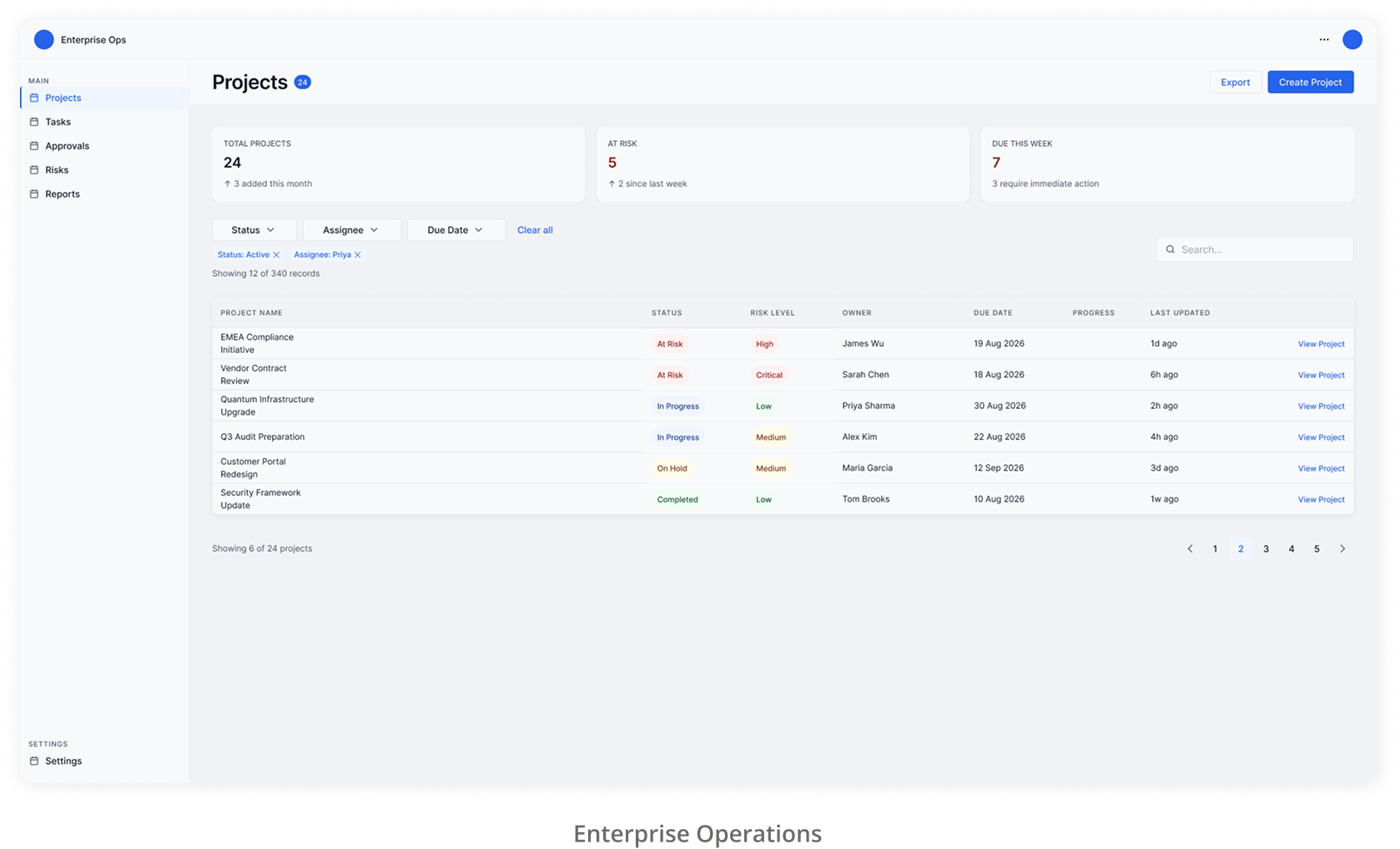
AI built the interface from this system. I didn't manually design the frontend.
With the system in place , foundations, component blueprints, governance rules and domain context , AI could generate production-ready UI by reading and applying the design intelligence encoded in each layer.
The output was replicable, flexible and technically accurate because the system gave AI the right decisions to draw from. My role shifted from producing screens to defining the rules that produce them.